Design Museum of Chicago
Chicago
ROLE
TEAM
TOOLS
Working with the Design Museum of Chicago, we led research and service design strategy to explore how the museum could expand audience engagement, strengthen membership, and build sustainable growth.
The work uncovered key gaps across visitor retention, value perception, and system fragmentation, and we introduced strategic service directions, journey frameworks, and experience blueprints designed to extend engagement beyond the physical visit.
SERVICE BLUEPRINTS
6
blueprints created, each mapped to a concept
CO-CREATION
3
sessions conducted
(ideation and prioritization) to align stakeholders
REUSABLE SYSTEM
Framework
guiding future concepts, journeys, and decision-making
PROBLEM
The Design Museum of Chicago attracts thousands of visitors, but engagement often ends after the first visit.
Despite strong programming and community presence, the museum faced challenges in retaining audiences, growing membership, and building sustainable revenue streams.
BUSINESS GOALS
PLANNING OUR APPROACH
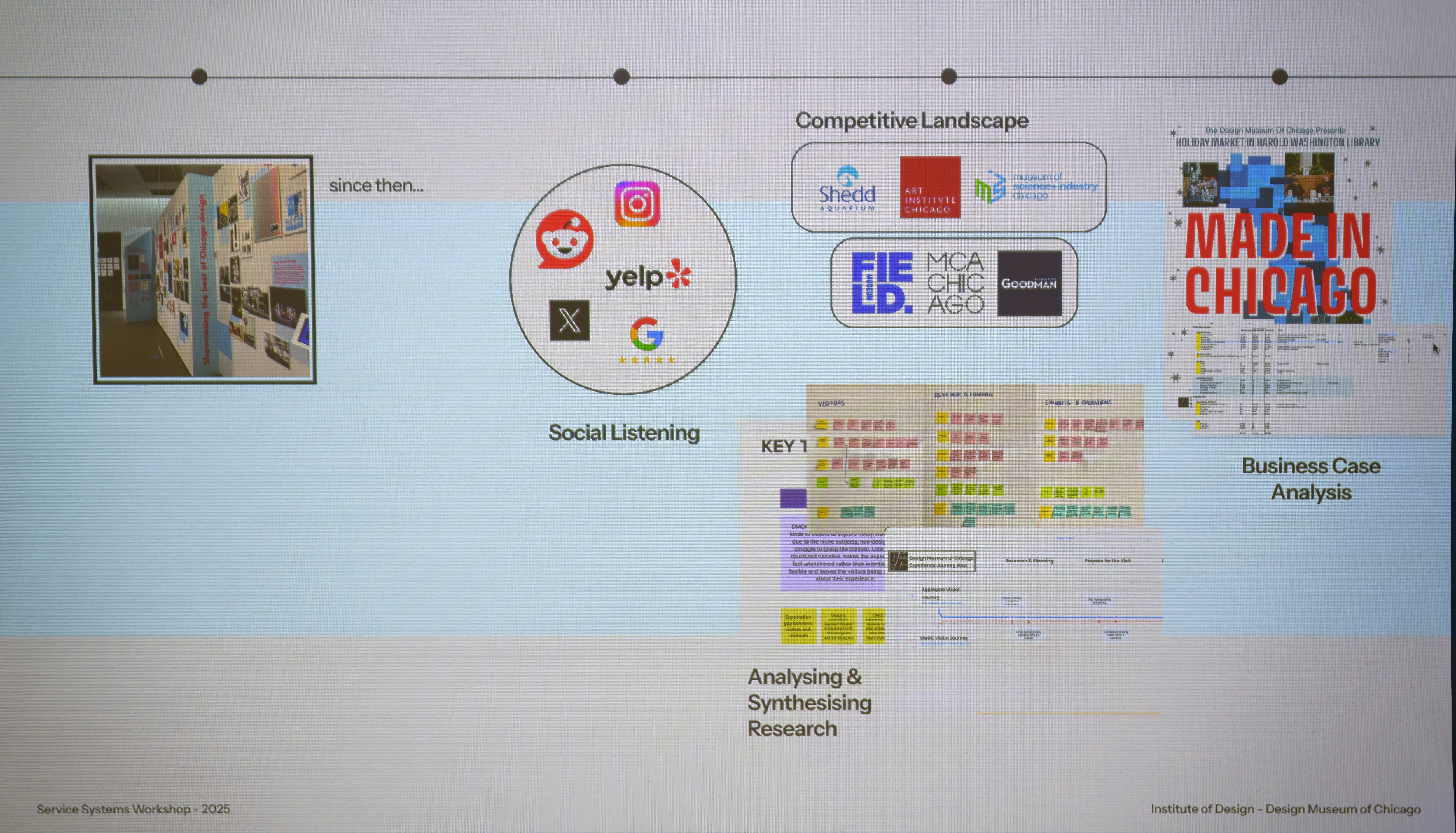
Primary research through stakeholder interviews & observational research
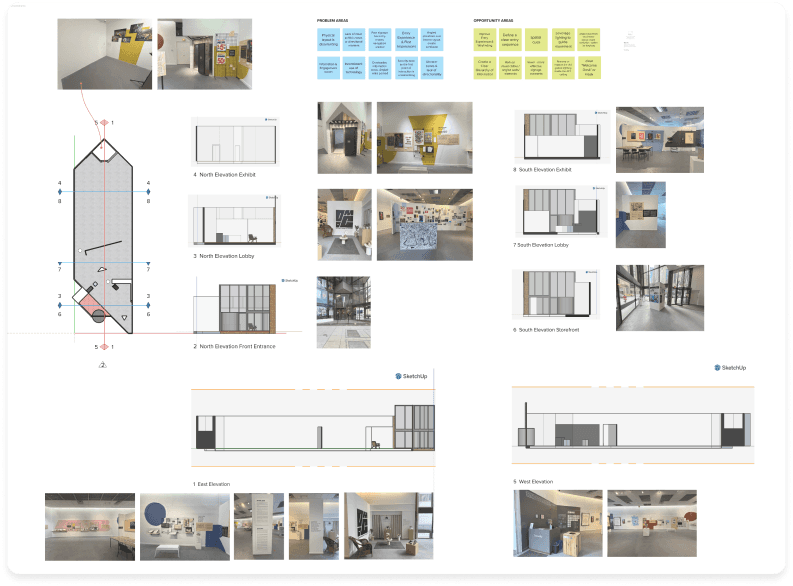
Secondary research through benchmarking other institutions and engagement models
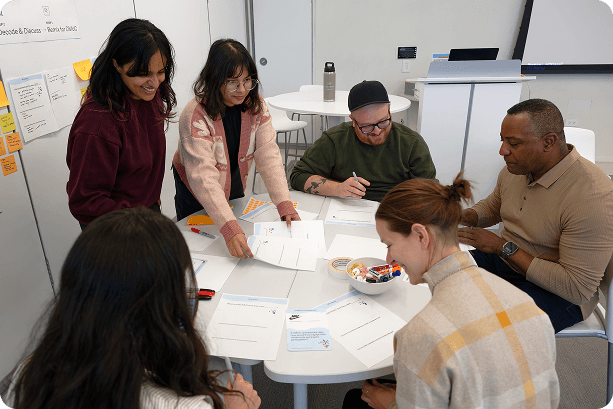
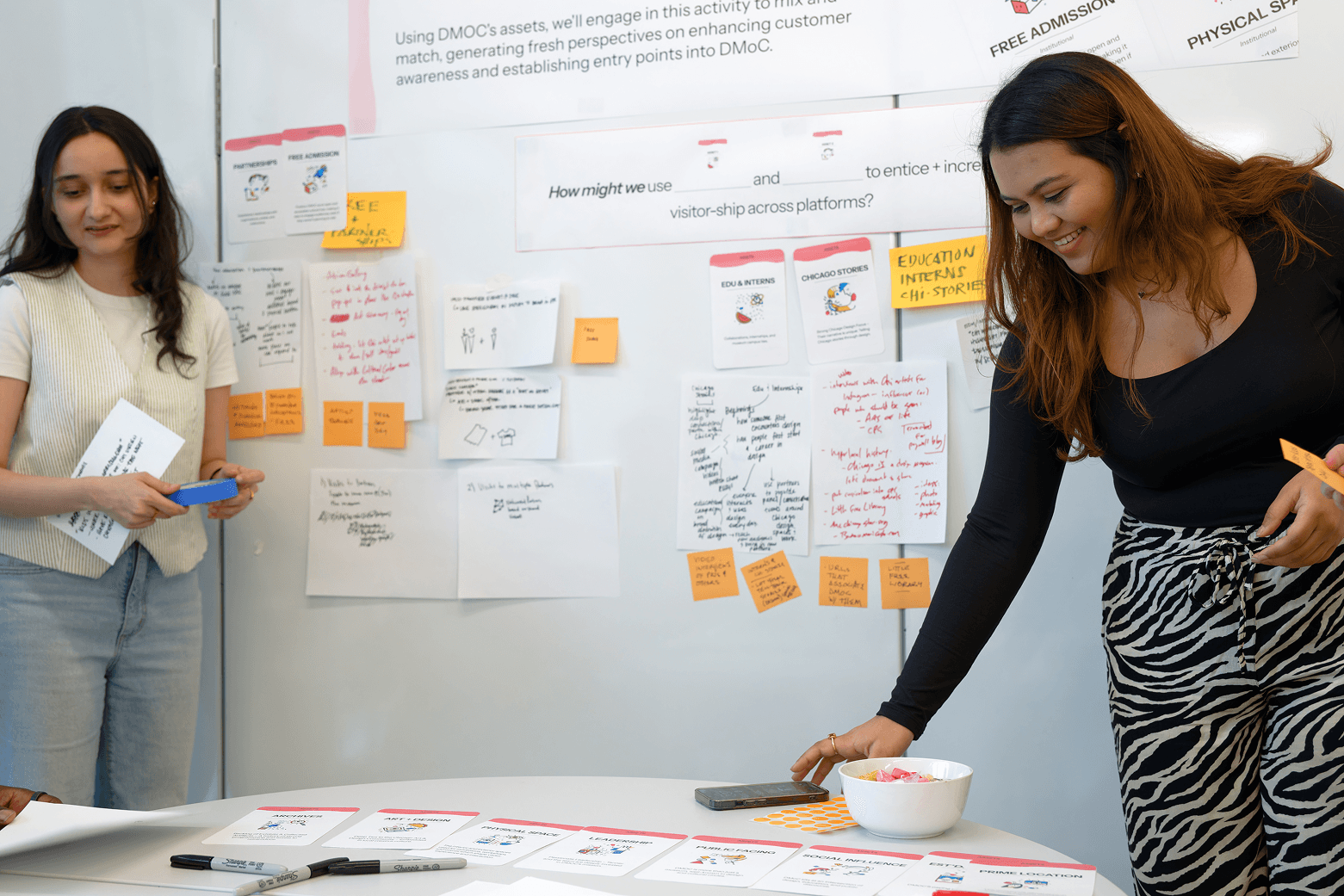
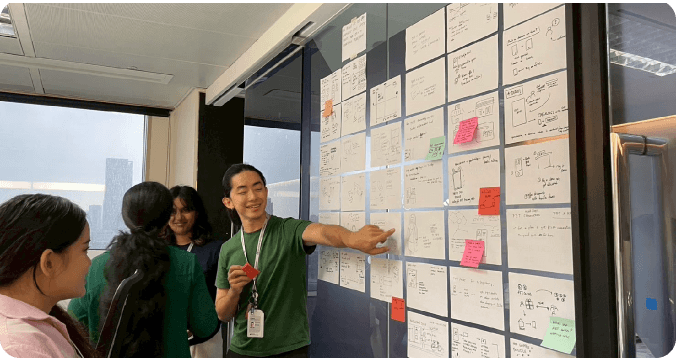

Co-creation workshops with stakeholders for ideation
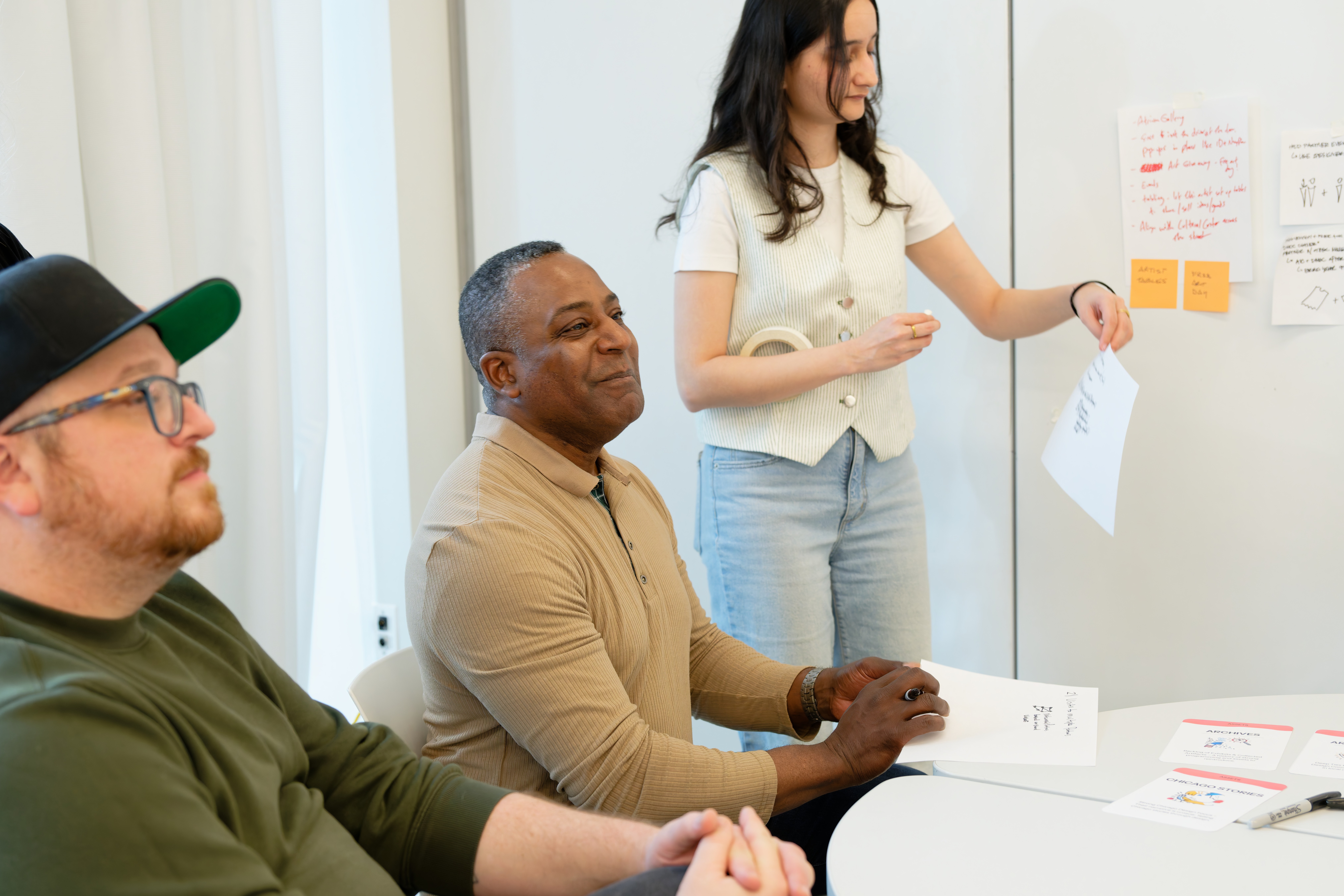
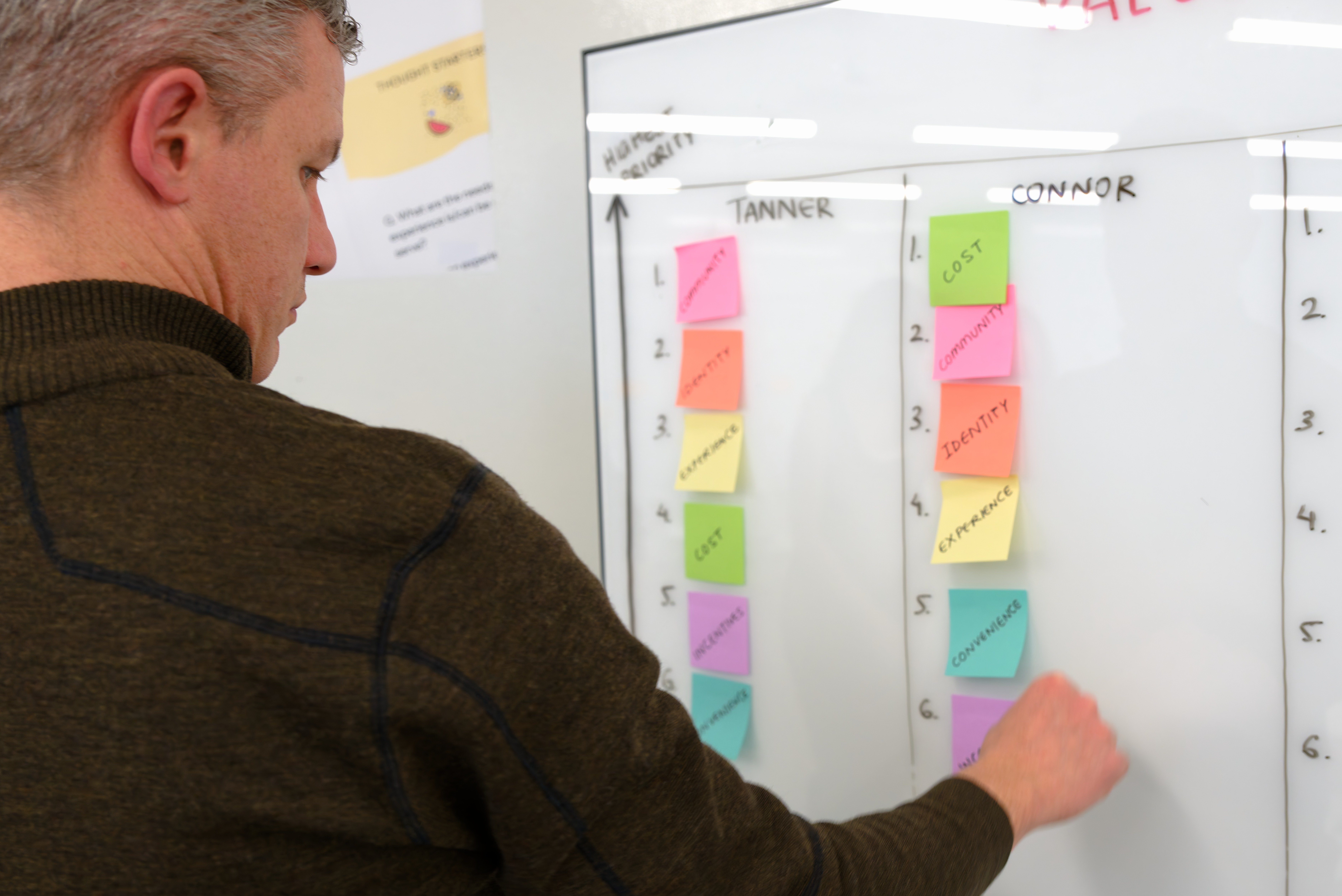
Co-creation workshops with stakeholders for prioritization
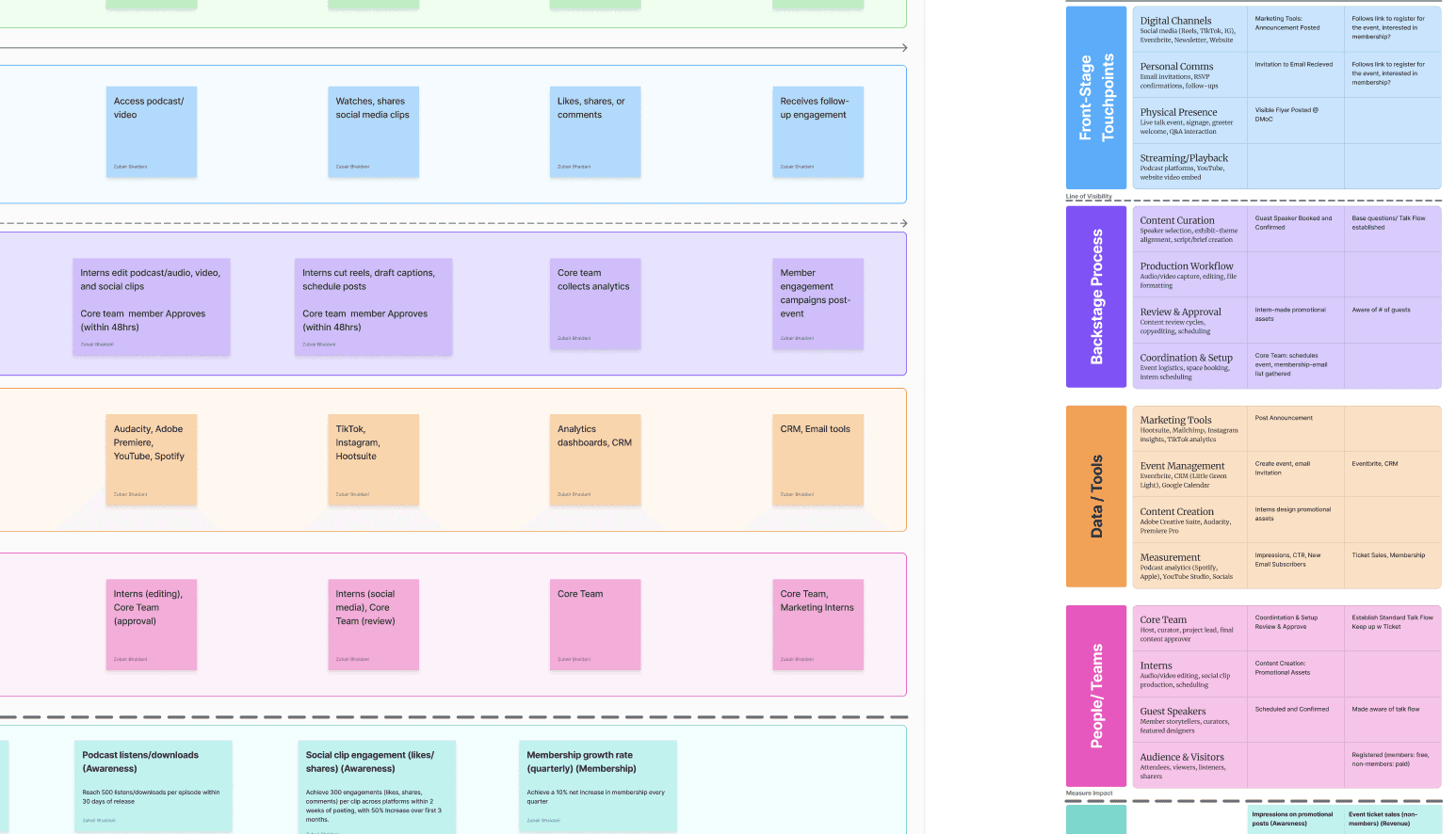
Service blueprints and journey frameworks to map experience concepts
DRIVING INSIGHTS
"Most of our visitors just stumble upon us, but we have no way of keeping them engaged beyond their visit."
Art Institute, Shedd, and MS&I create pre-visit and post-visit engagement via mobile apps, virtual tours, and robust social media strategies.
Community members expressed surprise upon learning about the museum's existence, indicating a gap in visibility despite collaborations
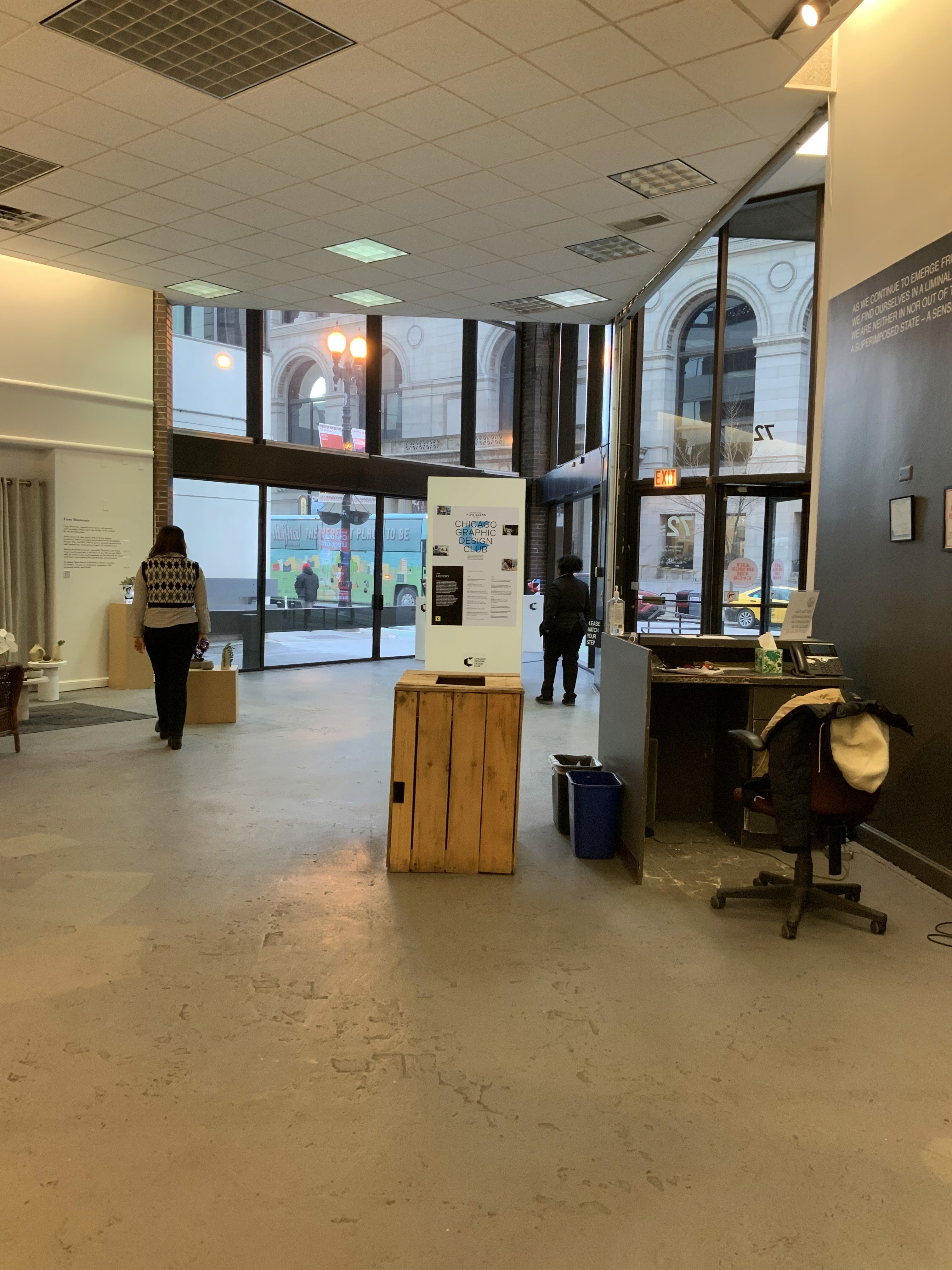
5,000 walk-ins per month, but no structured retention efforts
No post-visit engagement strategy
Marketing & branding inconsistencies, expectations
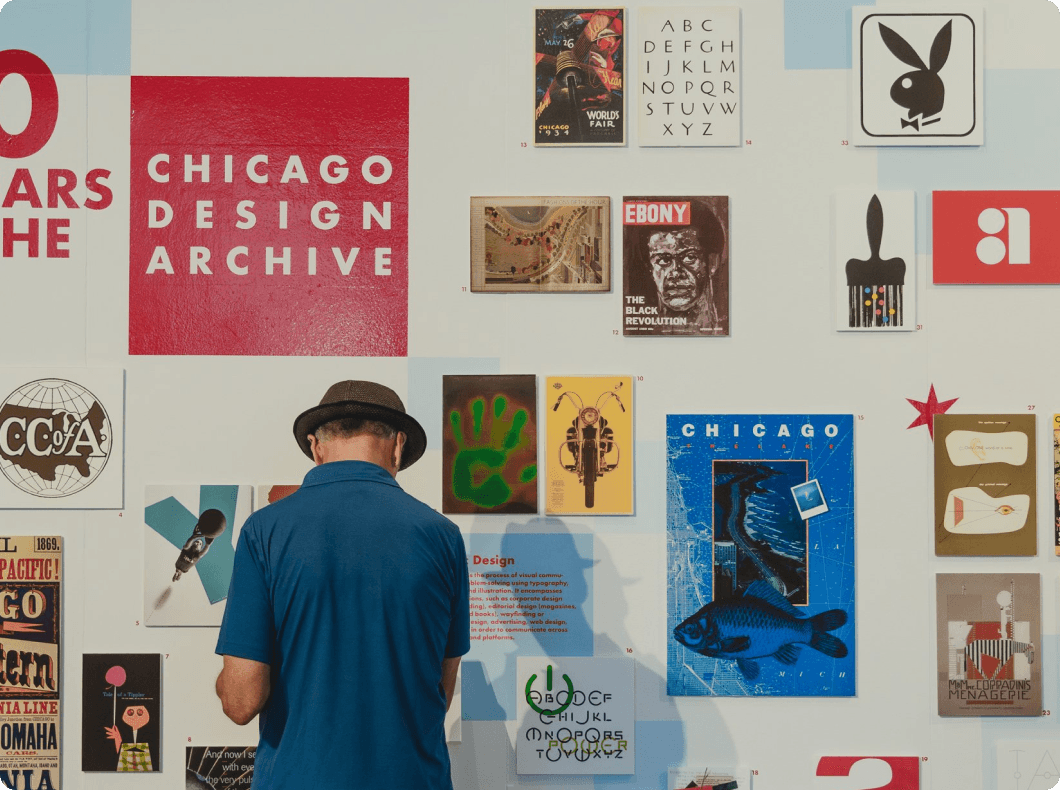
Main funding sources: 35% Grants, 35% Donations, 30% Programs & Events
Funding relies heavily on grants and donations, while events and programs function independently without scalable mechanisms to drive membership, retention, or recurring revenue.
Visitors love the exhibits but don't see the value of becoming members. Unlike peer institutions, where membership unlocks continuous experiences, DMOC’s offering lacks differentiated benefits that incentivize ongoing participation.
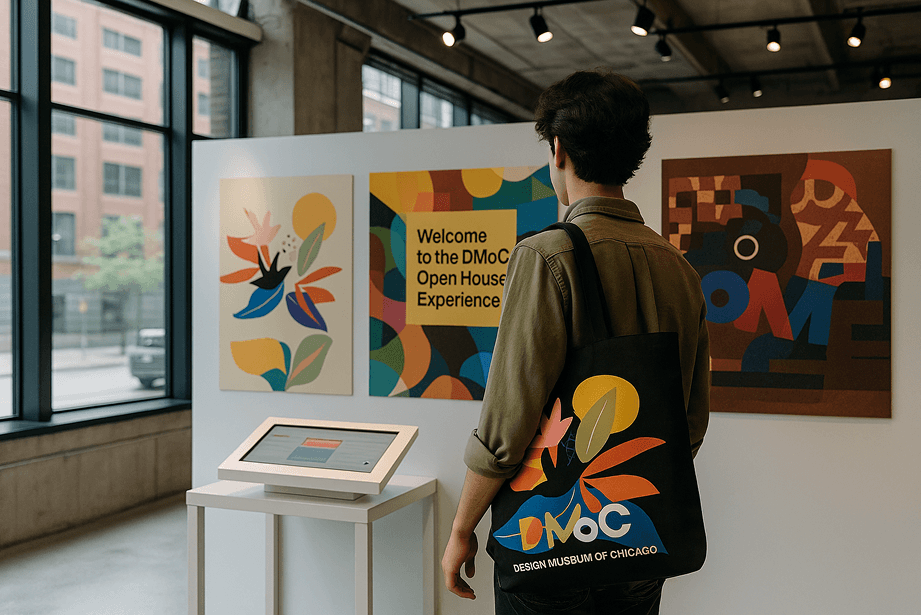
CO-CREATION WORKSHOPS
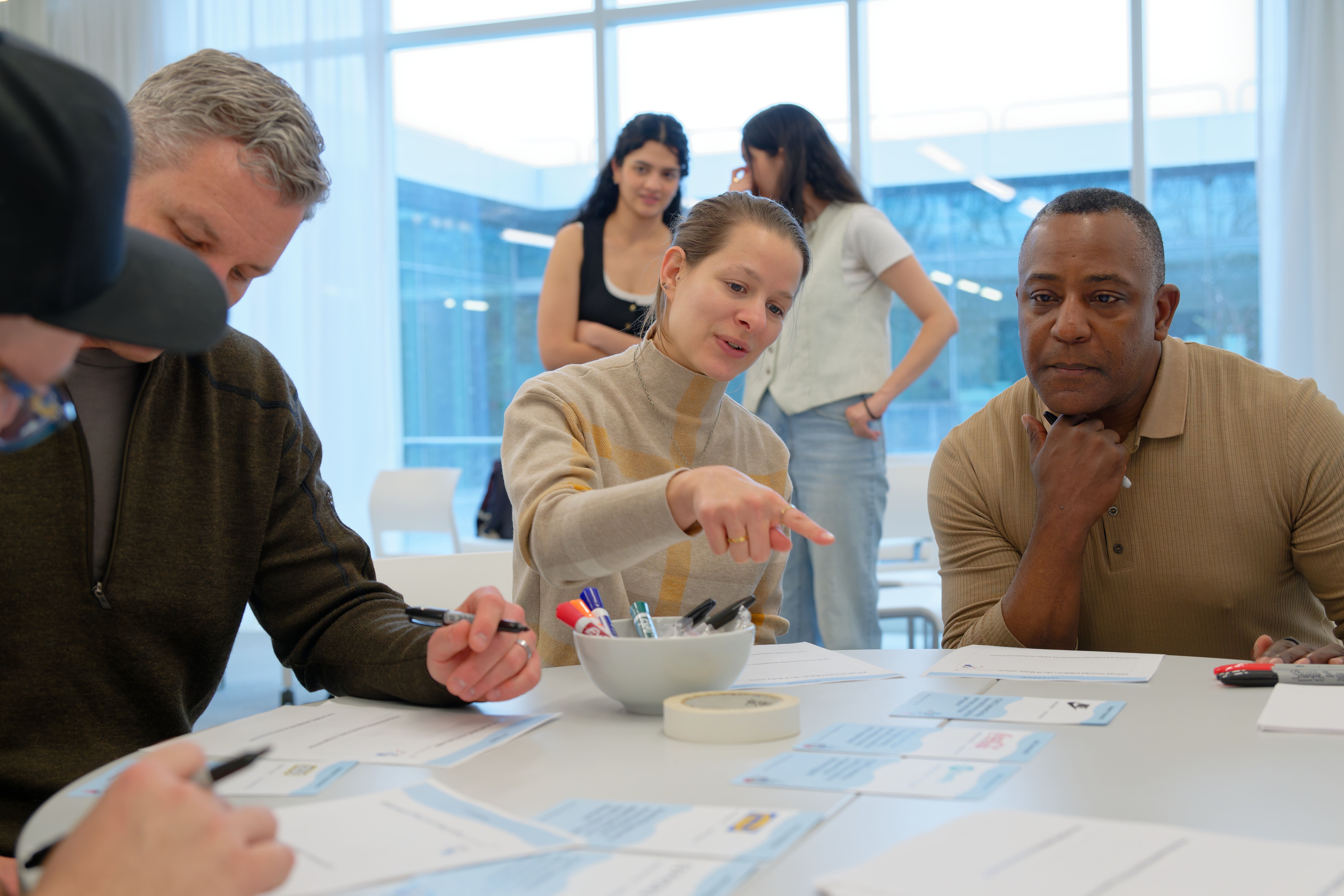
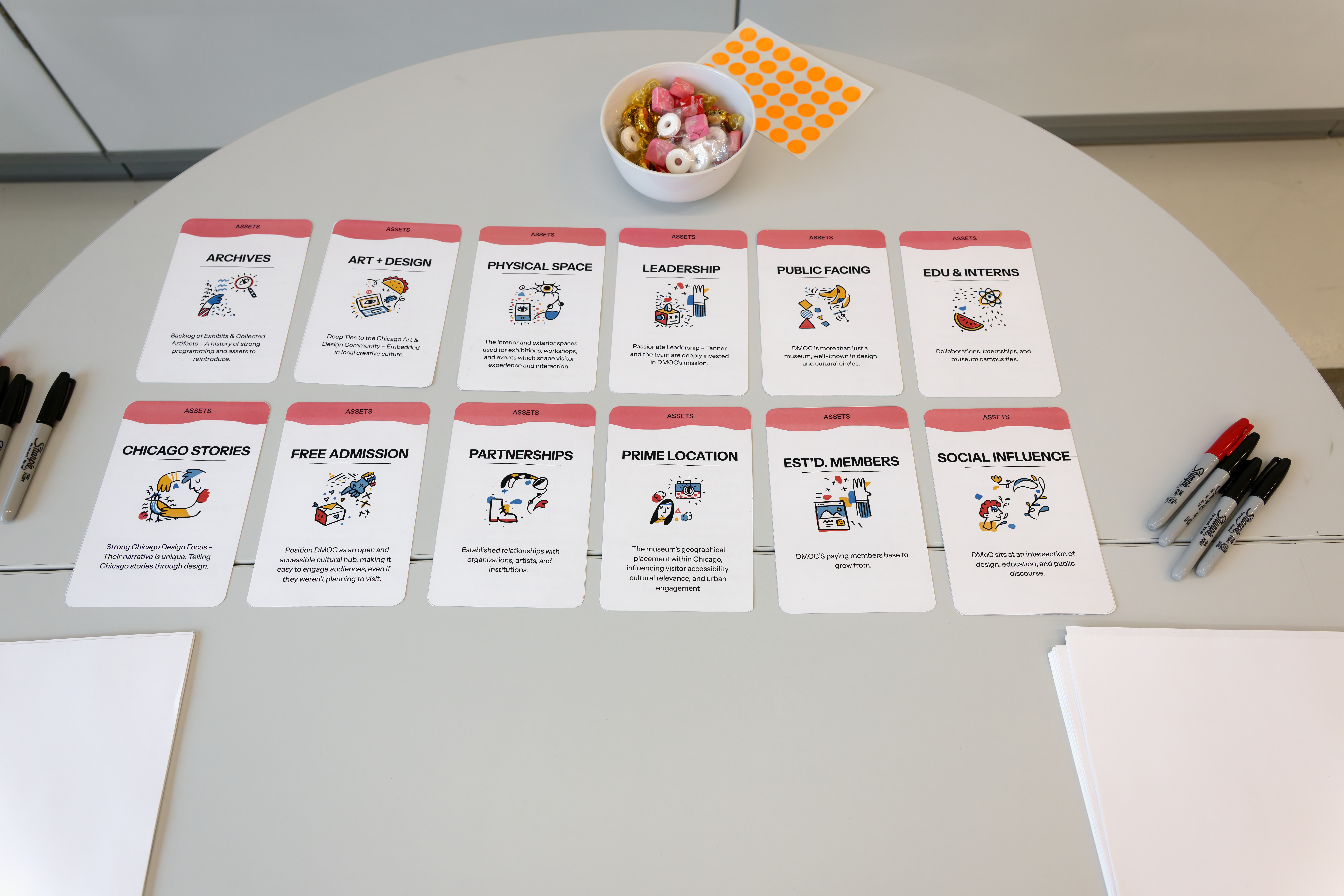
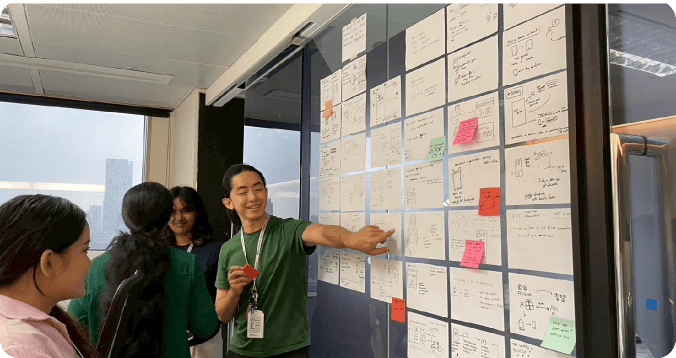
We facilitated two workshops — one online and one in-person — designed to accelerate ideation and decision-making.
Each session was built around structured activities, allowing stakeholders to collaboratively generate, refine, and prioritize concepts efficiently.
STRATEGIC RECOMMENDATION
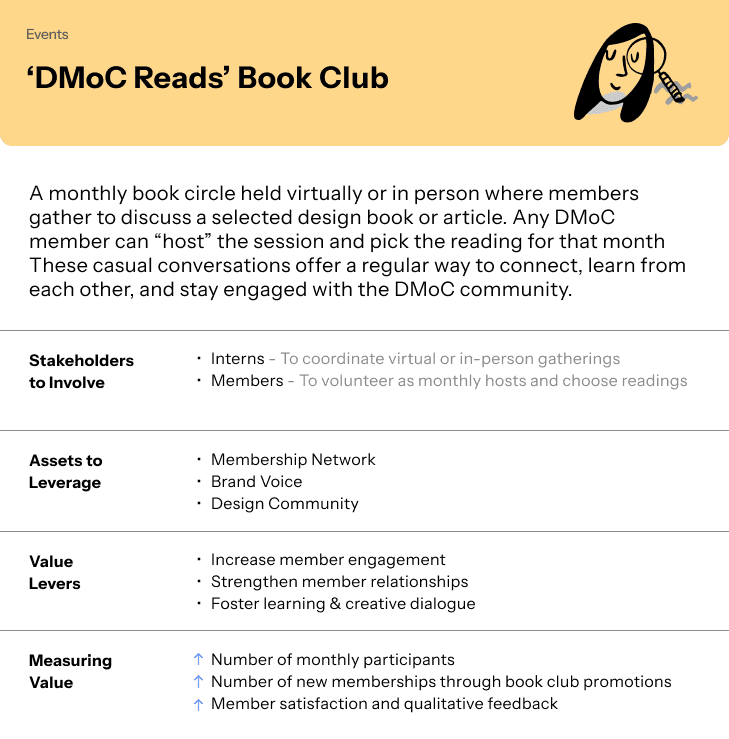
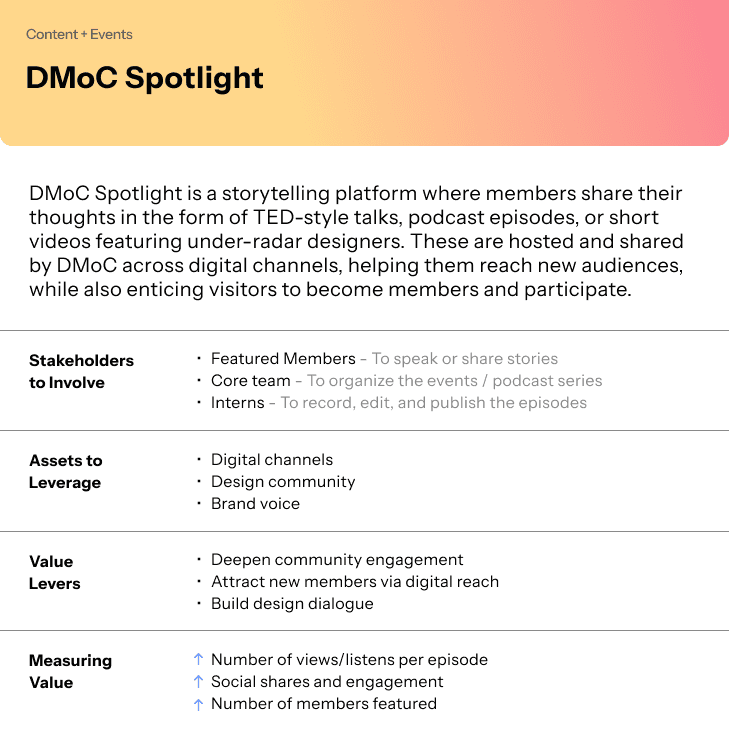
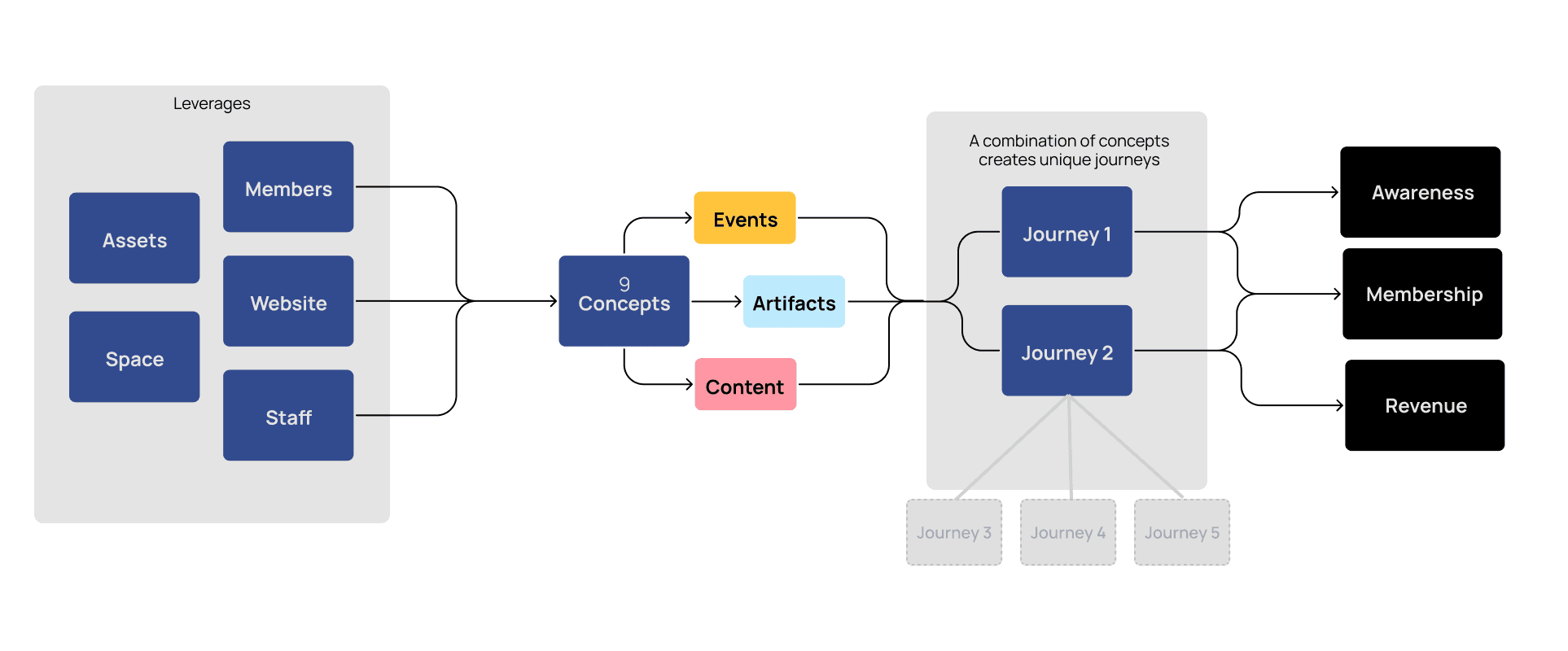
Our concepts form an interconnected ecosystem of experiences that entice new audiences, engage them meaningfully, and extend their relationship with DMoC.
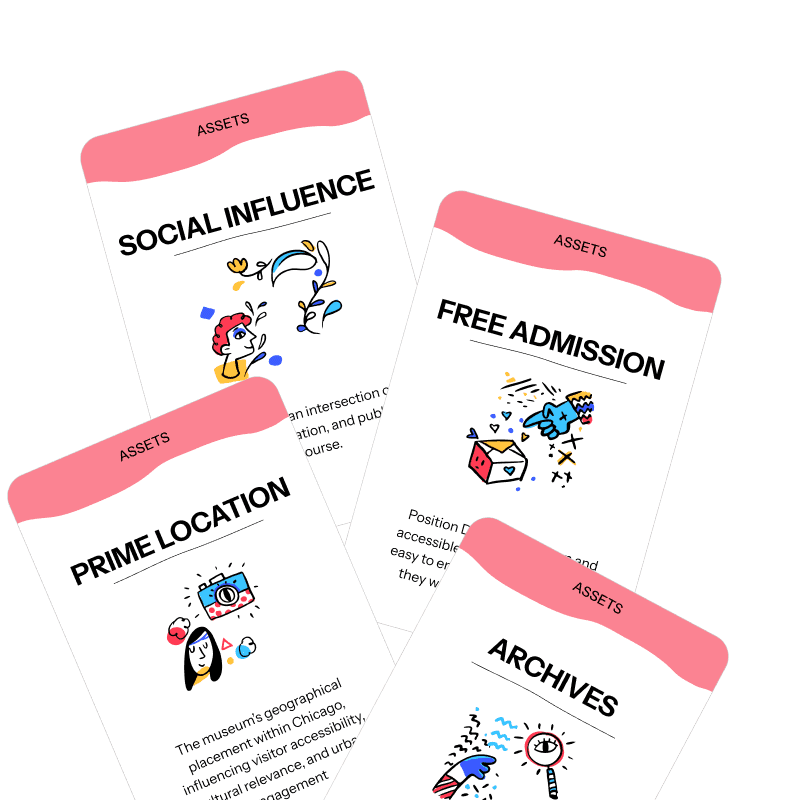
Existing assets of DMoC was evaluated and the strongest ones were pulled out to be leveraged
+
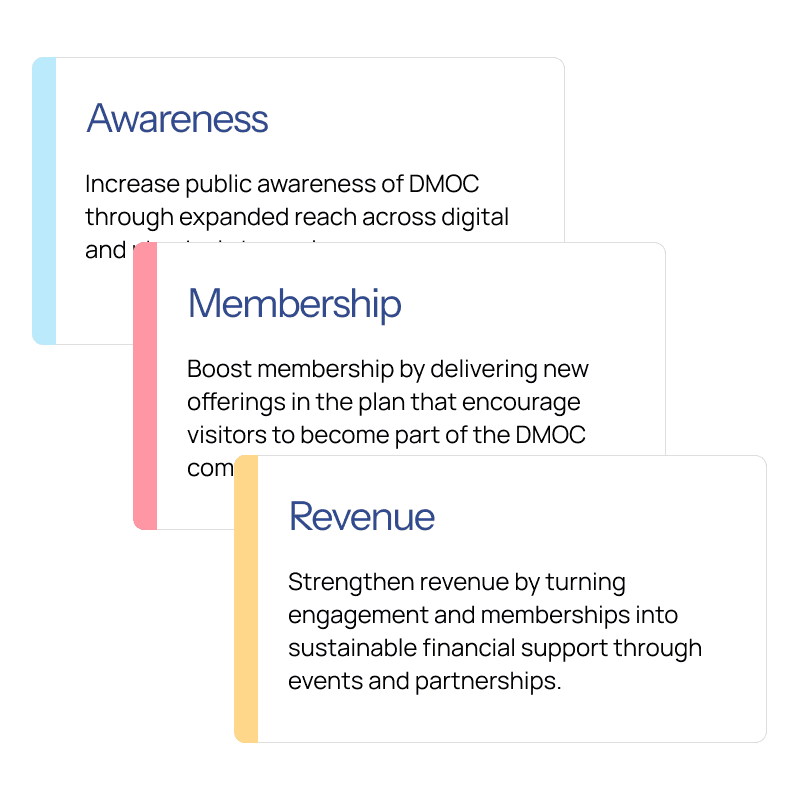
The key business goal defined by DMoC was made central to our concepts
+
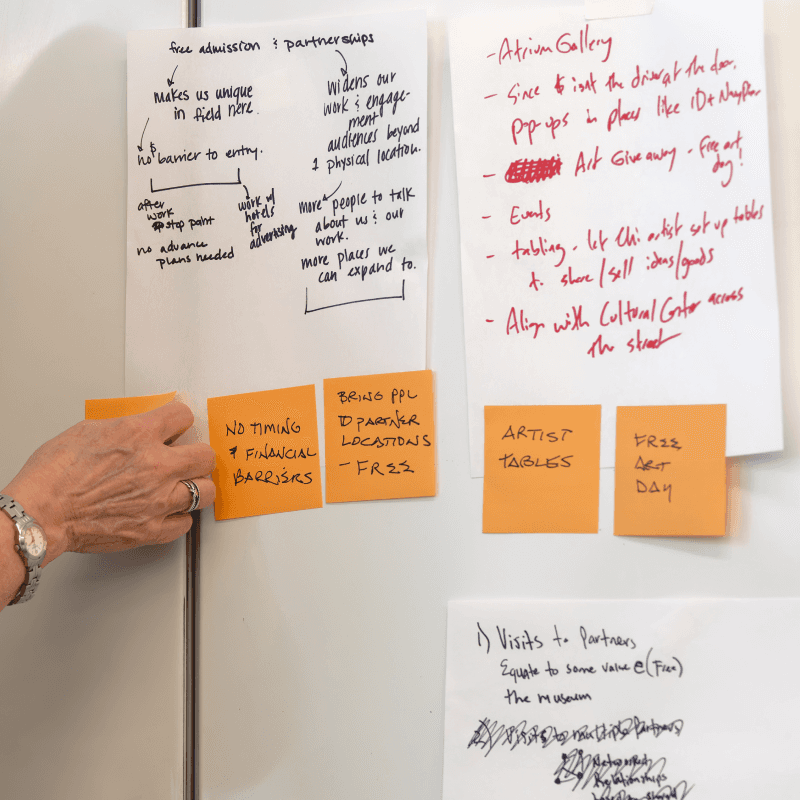
All the ideas were co-created to make sure they were feasible and prioritized
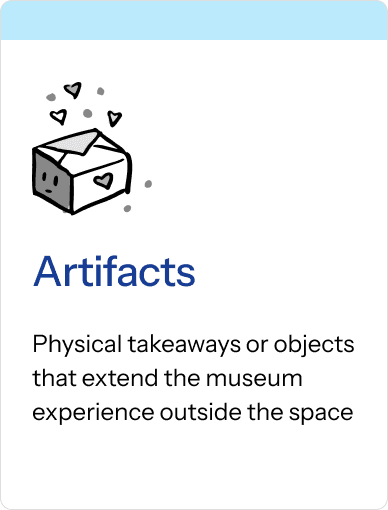

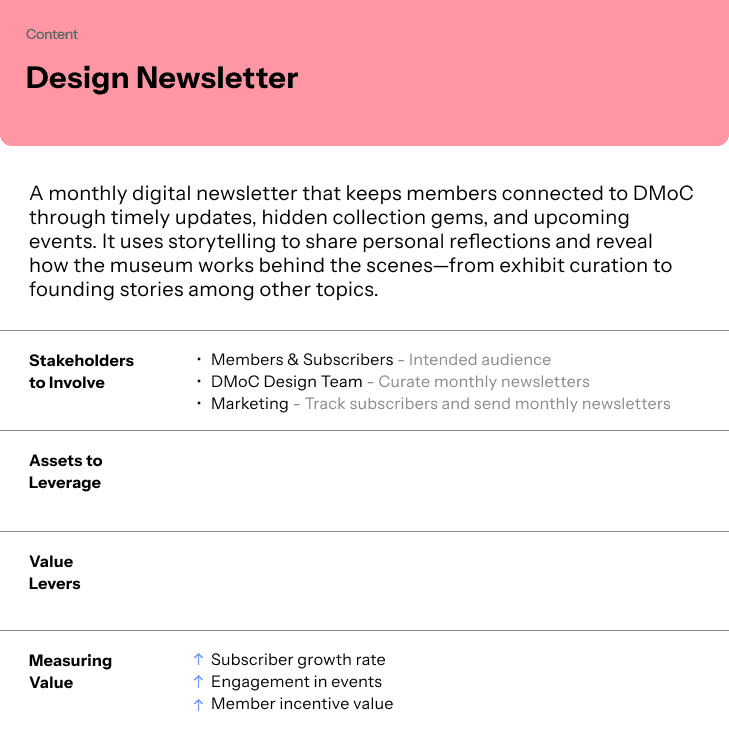
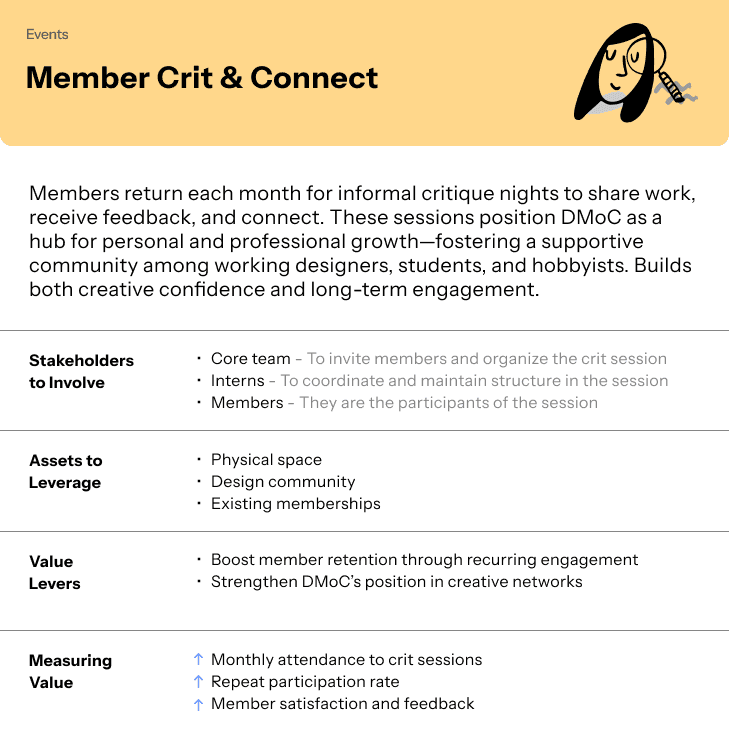
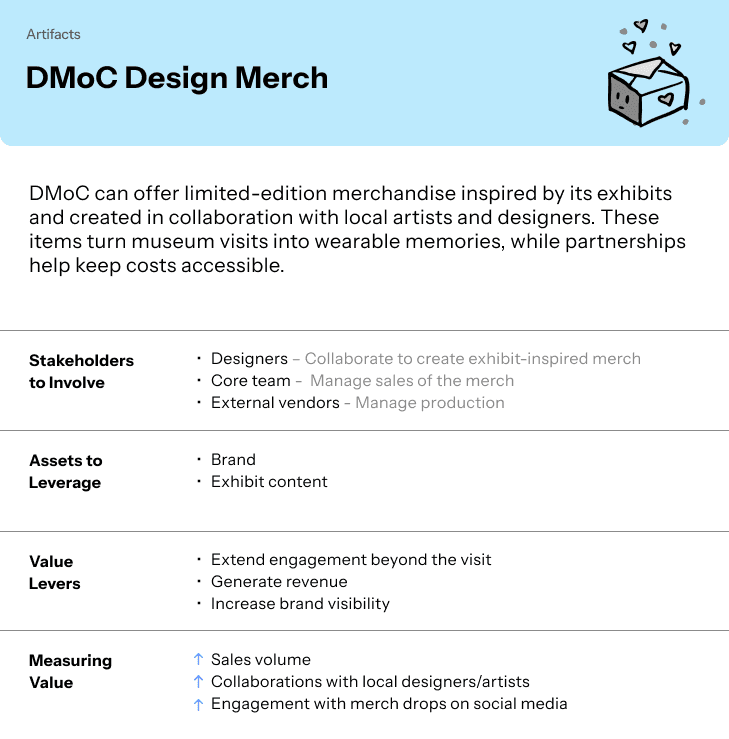
BLUEPRINTS
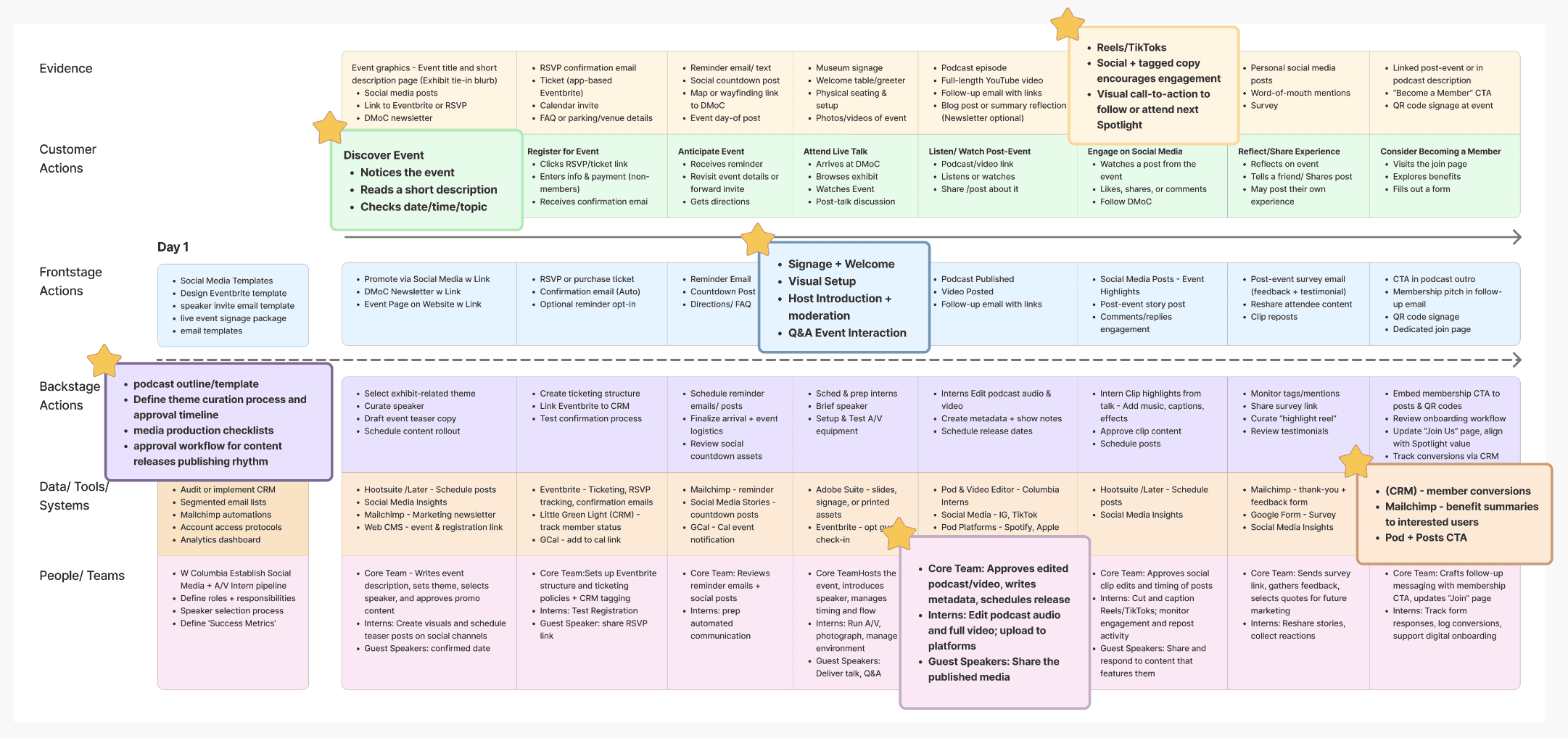
The concepts were put together to create 6 unique user journeys. These could be seen as individual journeys or even connected into the main story.
Sample of a blueprint

Curious about the rest of the story? Let's talk!


Nothing great is ever built alone, let's make the next move together